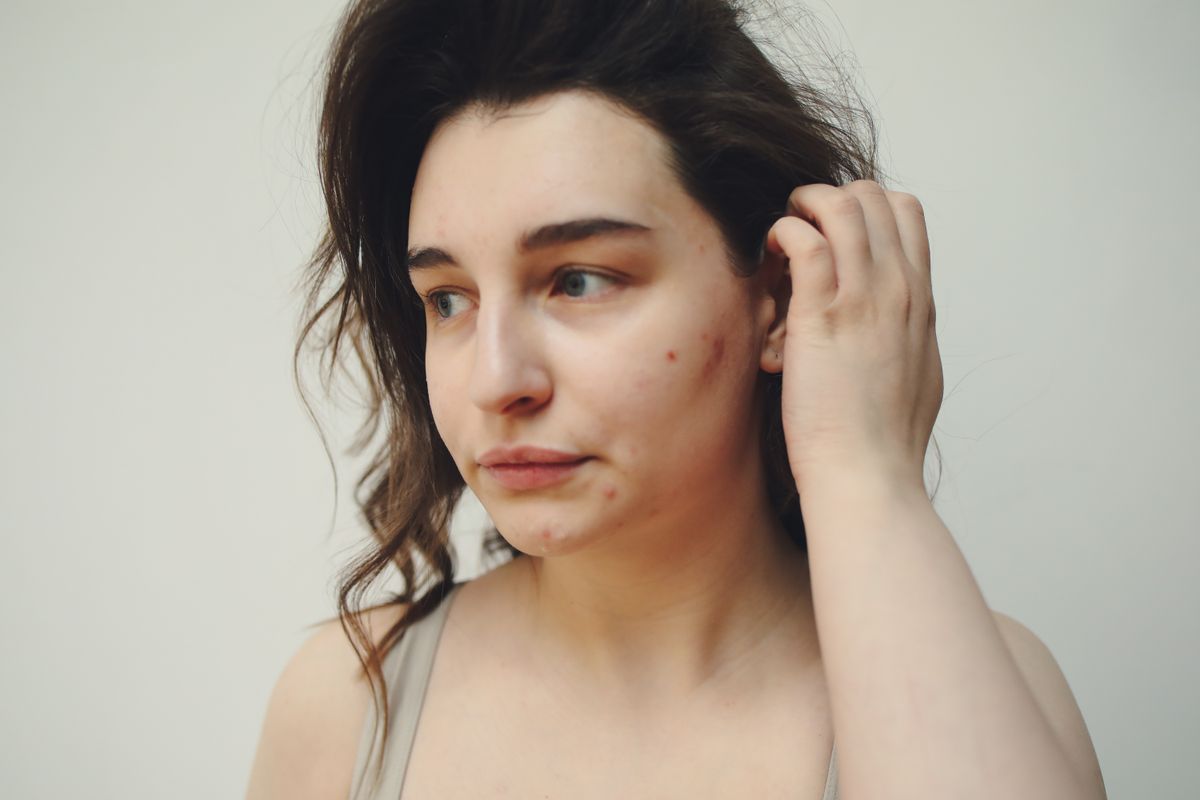
A wider part in a photograph and a handful of hair in the shower can lead to the same search for a Manhattan hair loss specialist. They are different clues for the doctor who sees you. When you call, ask for a medical hair and scalp evaluation, describe what changed and give the approximate date you first noticed it. You can make that appointment before deciding whether you want medication, platelet-rich plasma (PRP) or any other treatment.
What happens at a first hair loss appointment?
A dermatologist looks at where the hair has thinned, whether the scalp shows inflammation and whether hairs are shedding or breaking. They may examine the scalp under magnification or gently pull a small group of hairs. Expect questions about recent illness, changes in medication, hair styling, family history and how quickly the change happened. The pattern and timing help determine whether more testing would answer a useful question. NYU Langone’s guide to diagnosing hair loss.
When scheduling, mention a patch that is spreading, pain, burning or scalp tenderness. Ask the office how promptly you should be seen. Some inflammatory conditions can lead to permanent hair loss, so a sore scalp with new thinning deserves a clinician’s attention. NYU Langone Hair Loss Services.
Bring a timeline you can show in two minutes
- A starting photograph. Find an older picture that shows your part, hairline or the patch in question. Add a recent one taken from the same angle, ideally with similar lighting and styling. Ordinary photos are useful even if you never meant to document your hair.
- A short history. Note when you noticed a change, whether it has spread and any illness, surgery, childbirth or medication changes in the preceding months. Bring the names of supplements and scalp products, and mention styles that pull tightly.
- Previous results. If another doctor ordered blood work or a scalp biopsy, bring the report and date. Make a list of treatments you tried, how long you used them and what happened. Ask the office before changing your wash or styling routine for the visit.
When are blood tests or a scalp biopsy useful?
An examination and history may give the dermatologist enough information to discuss a diagnosis. When findings suggest another cause, a targeted blood test or a small scalp biopsy may help clarify it. Ask, “What possibility are you testing for, and how would the result change my care?” If a biopsy is proposed, ask where it would be processed, when results usually arrive and who will explain them. Confirm the medical visit, laboratory and pathology charges separately with the office and your insurer. American Academy of Dermatology on hair loss diagnosis and treatment.
Choosing a Manhattan office before committing to PRP
Dr. Debra Jaliman’s Upper East Side office at 931 Fifth Avenue explicitly offers a hair loss workup. That makes it a useful first call for someone who wants to establish why their hair is thinning before discussing a procedure. Ask for the workup when scheduling, the cost of the exam alone and how test results are reviewed. NYU Langone’s dedicated hair loss service is another option, especially if you want an academic evaluation after an inconclusive first visit. Ask which location and clinician see your particular scalp concern. Dr. Jaliman’s hair loss workup · NYU Langone’s hair loss program.
If either office suggests a series, ask what diagnosis the proposal addresses, what alternatives you could consider, and when the clinician would compare your progress with baseline photos. Get the assessment and proposed treatment costs separately. If you are also weighing a med spa, our guide to checking a New York injector’s credentials and follow-up arrangements explains how to confirm who performs an injection.
FAQs about hair loss evaluations in NYC
Should I order a panel of blood tests before my appointment?
Ask the practice what existing results to bring. The history and scalp examination guide the choice of tests. If a clinician suggests one, ask what it could explain about your particular pattern of thinning.
Can I book a visit if I have already paid for PRP elsewhere?
Yes. Tell the new office you want a diagnostic second opinion. Request your previous treatment dates, evaluation notes and photos so the new clinician can see the starting point and what has changed.
What should I know when I leave?
Ask for the likely explanation, what remains uncertain and the next decision. If you are waiting on a result, put the expected call date in your calendar. If the plan is observation, ask when to repeat photos and which changes warrant an earlier visit.
Topics · Hair loss · Scalp evaluation · Manhattan